

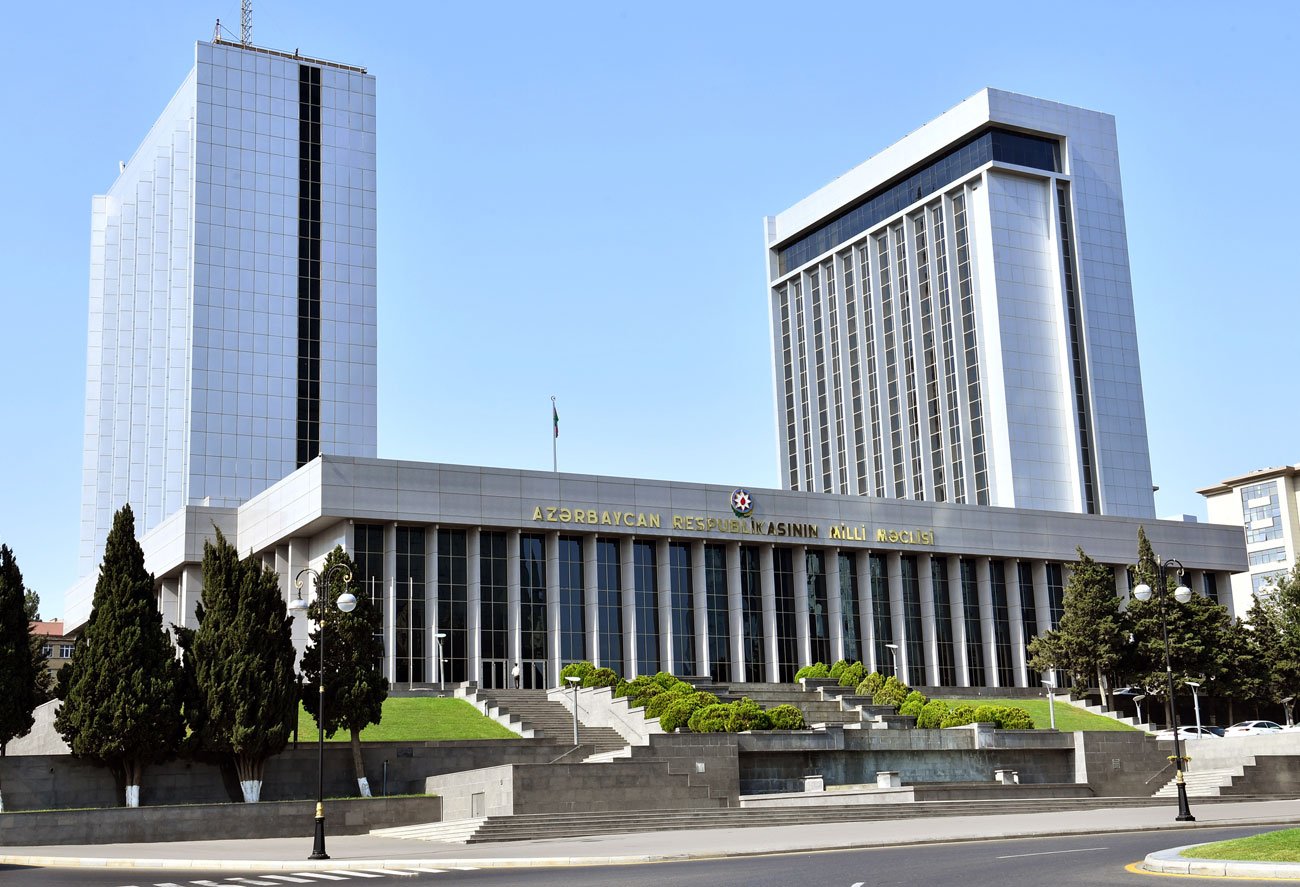
Azerbaijan’s draft 2027 state budget projects non-oil and non-gas revenue will account for 60.6% of total income, the highest share in 20 years. Lawmakers discussed the draft at the Milli Majlis Committee on Economic Policy, Industry and Entrepreneurship.
Under the draft, total state budget revenue for 2027 is projected at 39 billion 254 million manats, of which 23 billion 774 million manats, or 60.6%, will come from the non-oil and non-gas sector. The oil and gas sector is expected to contribute 15 billion 480 million manats, or 39.4%. Over the past five years, the actual share of non-oil and non-gas revenue in budget execution has risen from 43.3% to 51.9%.
Lawmakers weigh in on the figures
Milli Majlis deputy Vugar Bayramov said the growing weight of the non-oil sector in tax revenue is important for fiscal sustainability and reflects efforts to reduce dependence on oil. He attributed the rise to higher non-oil sector revenue, reforms aimed at legalising the economy, and changes to tax legislation.
Milli Majlis deputy Tahir Mirkishili said that next year roughly 61 manats of every 100 manats in budget revenue will come from non-oil and non-gas sources. He noted that while non-oil and non-gas revenue will grow by 1.6 billion manats, oil and gas revenue will fall by 955 million manats, meaning the rising share reflects both growth in one and decline in the other. Mirkishili stressed that assessing the economy’s real dependence on oil requires looking beyond budget structure to non-oil exports, private investment and labour productivity. He said sustainable growth depends on creating added value in manufacturing, agricultural processing, logistics, tourism and digital services.
Expert points to falling oil revenue as a factor
Altay Ismayilov, a doctor of philosophy in economics, said the 60.6% target points to a structural shift in the budget, but part of the increase stems from a decline in oil and gas revenue, since the ratio is calculated against total income. He said evaluating the economy’s dependence on oil requires examining the non-oil sector’s share of GDP, its growth rate and export dynamics. Ismayilov named information technology, logistics, transit, agriculture and manufacturing as priority areas, adding that diversifying budget revenue tends to affect welfare indirectly and over time.
