
Tehran says it is ready to reopen the Strait of Hormuz, but Washington is in no hurry
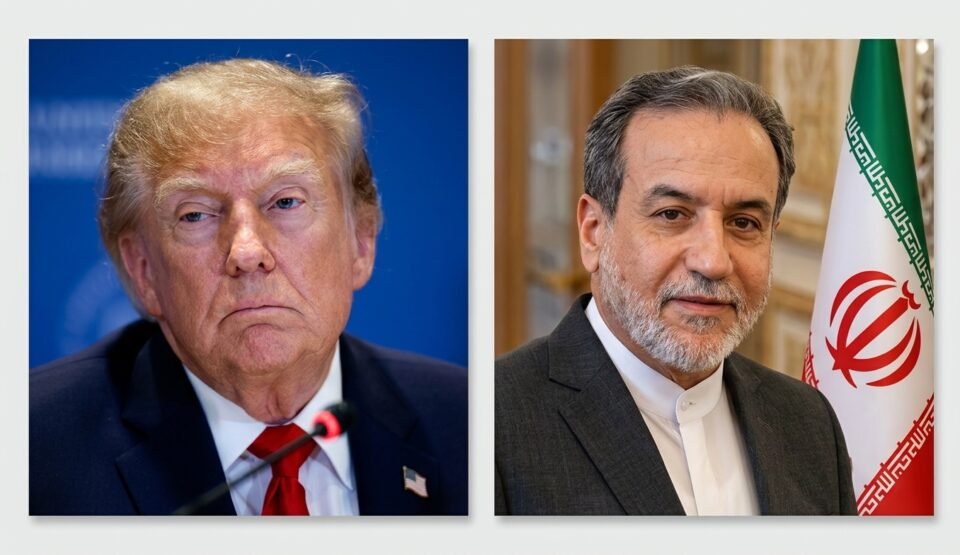
Iran’s seven-day roadmap to end the war has failed to win over Washington. President Donald Trump has turned down the Iranian proposal and told aides he expects bombing of Iran to resume after the November midterm elections, The Wall Street Journal reported, citing US officials.
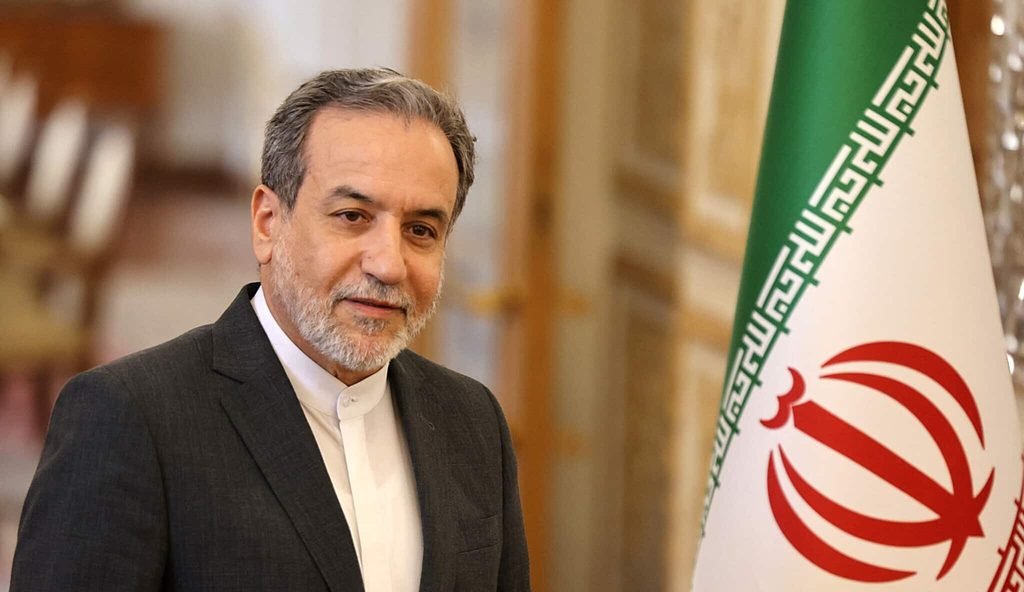
The report emerged hours after Iranian Foreign Minister Abbas Araghchi laid out the plan at the United Nations on September 25, declaring that the choice now rests with the United States.
What Tehran put on the table
Under the plan, conveyed to Washington via Qatar, the first four to five days would be devoted to initial steps, the Strait of Hormuz would reopen on day six, and talks on a final agreement, including the nuclear file, would begin on day seven. In return, Iran sought an end to the naval blockade, a suspension of oil sanctions, the release of roughly $12bn in frozen assets and a regional ceasefire extending to Lebanon and Yemen.
Why Washington is holding back
Publicly, Trump claims Tehran is begging for a post-midterm deal that would dismantle its nuclear programme. Privately, however, he doubts Iran will meet his demands and regards a renewed bombing campaign as the likely outcome.
The Strait of Hormuz is central to that calculation. According to a US official, American efforts to keep tankers moving despite Iranian threats have eased the pressure on Washington to strike a deal. Tehran’s main bargaining chip, in other words, carries less weight than it once did. Meanwhile, the blockade continues to take a heavy toll on Iran’s economy, and the suspension of Iranian flights by Iraq and the UAE points to widening sanctions pressure.
Election calendar and mixed signals
President Masoud Pezeshkian has said Iran is ready to reach a deal before the vote and urged Washington to return to the June memorandum of understanding. Trump, by contrast, told the UN a deal could come after the midterms, and earlier in the week threatened to annihilate Iran.
Signals from Washington have been contradictory. Just a day earlier, a White House official described talks as “positive and constructive”, and special envoy Steve Witkoff called his meeting with Araghchi promising. Reports that same day also said the two sides were discussing a phased exit from the war in New York.
The door is not shut
Officials say contacts are continuing through regional mediators, with Qatar and others working to revive the process. Trump’s stance could shift depending on how the war unfolds and on the election results. Separately, amid mounting strain on US forces and the prospect of deployments stretching into 2027, Trump is reportedly weighing declaring the war over.
Analysis
The latest developments bear out analysts’ scepticism. Cyrus Schayegh of the Geneva Graduate Institute noted that Iran wants to hold on to the leverage it gained during the war, while Washington resists returning to the June framework. Each side believes time is on its side, and the fate of the conflict, now in its seventh month, will most likely be decided after the November elections.
Compiled from reporting by Al Jazeera, AFP, AP, The Wall Street Journal, Bloomberg and Benzinga.