

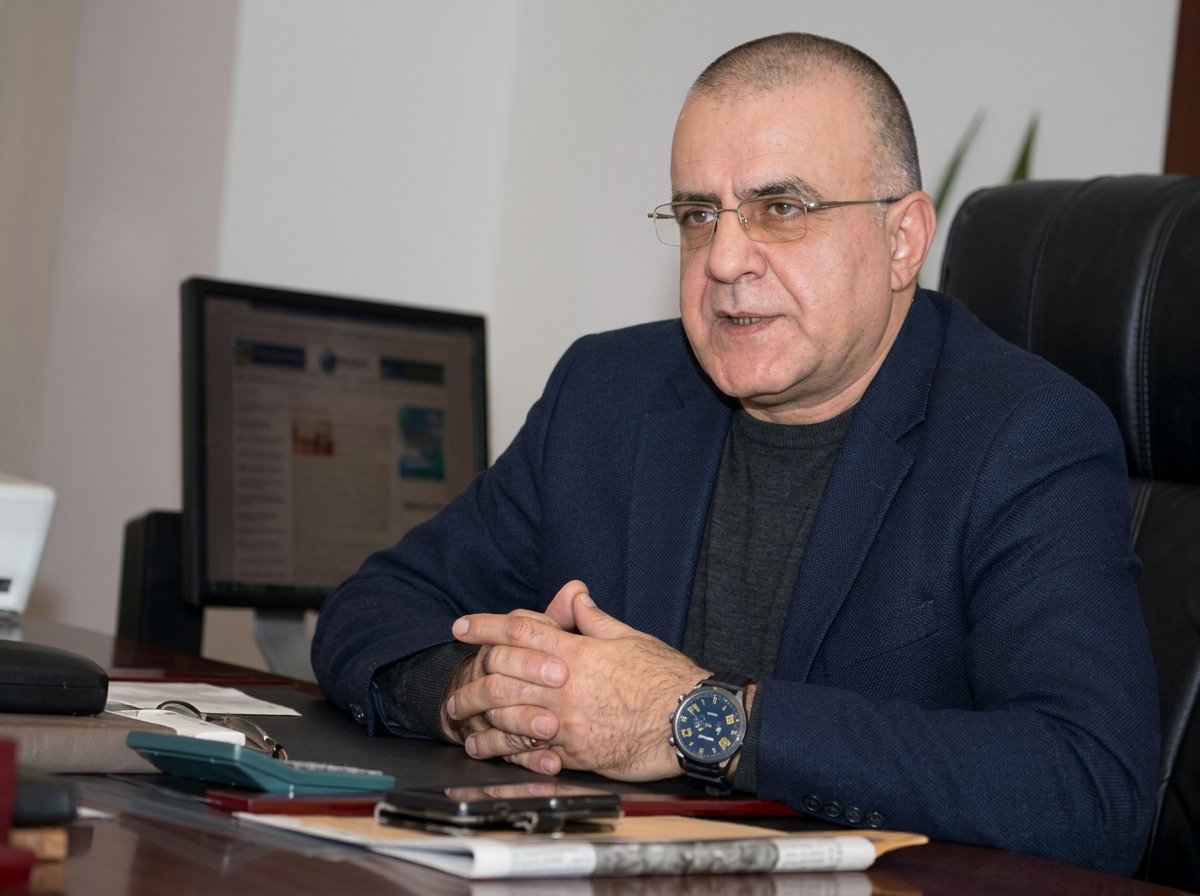
Azerbaijani lawmaker Elchin Mirzabayli has described the Cabinet of Ministers’ decision on providing people with diabetes with medical care, medicines, injection supplies and self-monitoring tools as an important social policy step that directly touches people’s daily lives.
Elchin Mirzabayli, a member of the Milli Majlis, Azerbaijan’s parliament, told AZERTAC that the new rules on diabetes patient support go beyond simply adding items to an official list. He said the decision strengthens the health rights of people living with a chronic illness and helps stabilize family finances, since diabetes often places a heavy financial burden on households. Having the state share that burden, he added, reflects a people-centered approach.
Mirzabayli noted that diabetes requires constant management, with timely medication, the right insulin regimen, regular blood sugar checks and ongoing medical supervision all playing a central role in keeping the disease under control. A breakdown at any point in that chain, he warned, can lead to serious health complications and added strain within families.
Provisions for children
The lawmaker paid particular attention to the part of the decision concerning young patients. He said access to advanced treatment methods should not depend on a family’s financial situation, and that state support both protects household budgets and reduces the chances of a parent having to step away from work, while better protecting the child’s education and development.
According to Mirzabayli, the decision also sets clearer rules for prescribing insulin and other glucose-lowering medications, and, where clinically necessary, GLP-1 receptor agonists — a step he described as important for expanding treatment options. The main principle, he said, is that medicines should be accessible on the basis of a doctor’s prescription and clinical need.
Improving access to medical care
Mirzabayli said it is the right approach for electronic prescriptions to be issued through a family doctor at a patient’s local clinic or district hospital, in line with a treatment plan set by an endocrinologist. This system, he said, should reduce the risk of patients falling through the cracks between stages of treatment and strengthen the link between primary care and specialist care. He added that separately setting out referral to an endocrinologist if a patient’s condition changes or complaints arise also ensures careful medical observation.
The lawmaker also welcomed changes to financing arrangements involving the pharmacy network and Azerbaijan’s Compulsory Medical Insurance Fund, calling this another element of the decision’s social rationale. He said the key task now is to make this right simple and accessible for ordinary citizens, adding that even the best-designed system will fail to deliver results if prescribed medicines and devices do not reach patients on time.
