

European Commission President Ursula von der Leyen says the closure of the Strait of Hormuz has driven up Europe’s fossil fuel bill by €127 billion. The remarks come as the risk of renewed military confrontation with Iran grows.
Speaking in Brussels, European Commission President Ursula von der Leyen said the closure of the Strait of Hormuz and the resulting rise in oil and gas prices had underscored the need for the European Union to cut its reliance on foreign fuel supplies. She said the bloc had absorbed an extra €127 billion in costs without receiving any additional energy in return. Importing fuel from abroad, she added, also means importing the crises tied to its supply.
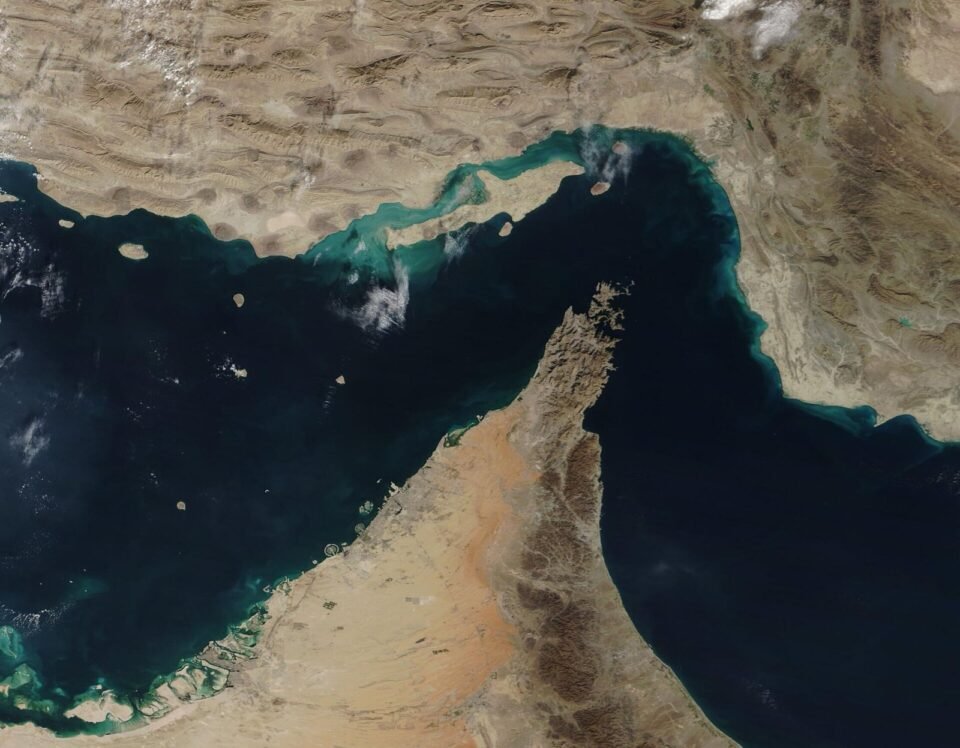
Before the conflict began, roughly a fifth of the world’s seaborne oil and liquefied natural gas passed through the strait. After US and Israeli forces struck Iran in late February, Tehran effectively shut the waterway and also launched attacks on energy facilities in neighbouring countries.
On Monday night, American forces struck Qeshm Island, which sits inside the strait, in what Washington described as a defensive move to protect its troops. US President Donald Trump and Israeli Prime Minister Benjamin Netanyahu have both signalled that military action against Iran could resume once the US midterm elections conclude, though Trump said there was no such plan for now. US Vice President JD Vance said he and Trump hoped the matter would be resolved through negotiations.
German Chancellor Friedrich Merz made a similar point last week, saying businesses and households across Europe had faced more than €100 billion in extra costs because of the conflict’s impact on energy prices. He added that a swift end to the conflict was also in Europe’s financial interest.
Brent crude traded at around $106 a barrel by midday Central European Time on Tuesday, up roughly 1% from the previous session.
Source: Praevis
