

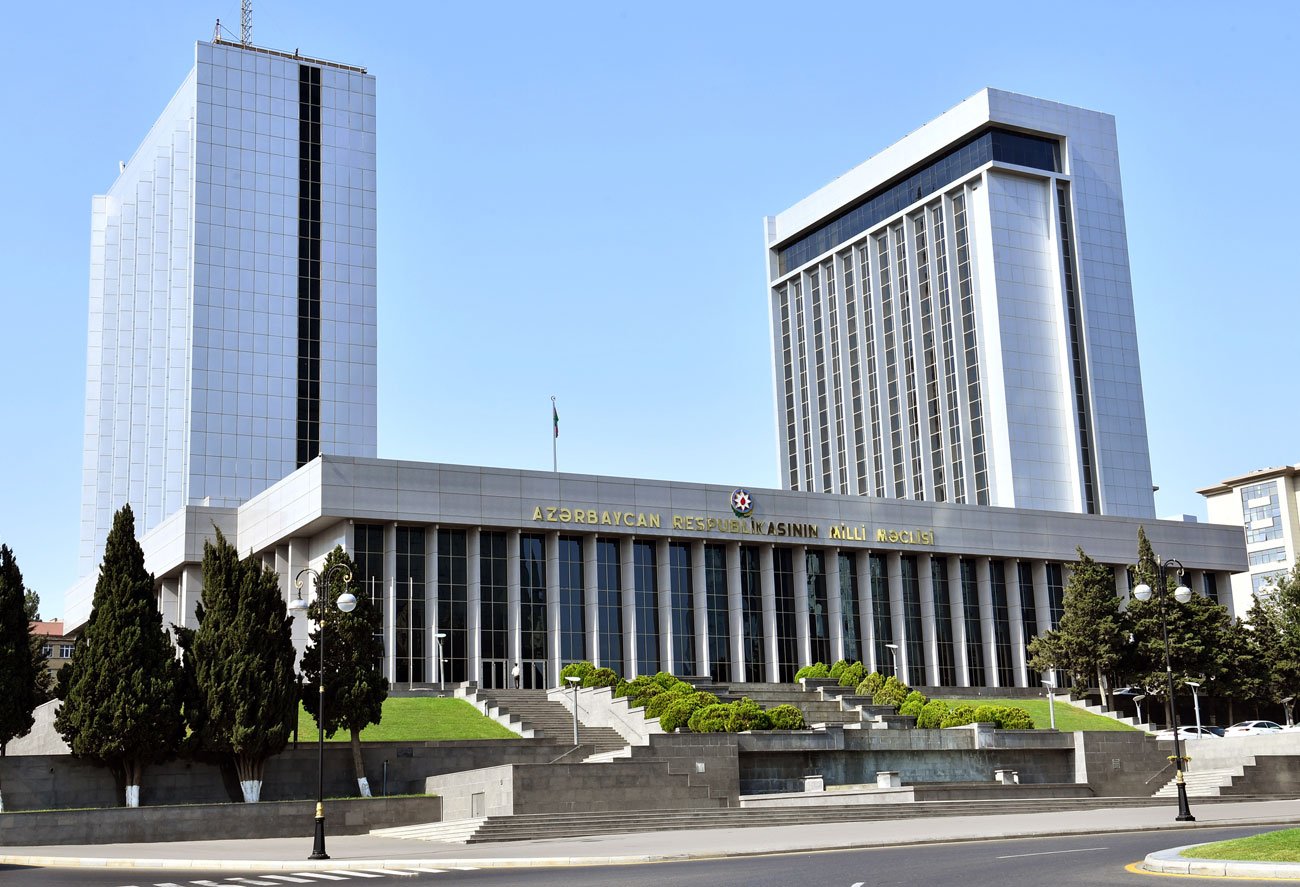
Azerbaijan’s Milli Majlis has approved in first reading a bill establishing a securitisation mechanism that will let lenders issue bonds backed by future payments from loan, leasing and factoring agreements. Lawmakers passed the draft at a sitting on 16 October 2026.
The proposed changes amend the laws “On Banks” and “On the Securities Market”. The new securitisation mechanism will allow creditors to raise additional financing against future payment streams without having to wait for those payments to materialise.
Under the scheme, a specially created securitisation company will buy certain assets from the original creditor and issue bonds backed by them. In effect, the creditor transfers its right to future, instalment-based payments to this company, which finances the purchase with funds raised from investors. Payments later received from borrowers will then go toward meeting the obligations owed to bondholders.
Which assets qualify
Under the bill, monetary claims arising from loan, financial lease and factoring agreements, as well as corporate bonds not listed on a stock exchange, can be used for securitisation. The Central Bank of Azerbaijan (CBA) will have the authority to expand this list to cover other types of monetary claims.
Certain assets will be barred from the mechanism: preferential loans issued to entrepreneurs, debts of individuals undergoing bankruptcy proceedings, receivables that do not involve periodic payments, and assets already pledged in favor of third parties. The issuance of mortgage bonds regulated under the Civil Code also falls outside the scope of these rules.
Seller’s retained stake and central bank oversight
To manage risk, the party selling the assets will be required to acquire and hold at least 5% of the issued bonds until they mature. Where multiple sellers are involved, this share will be calculated in proportion to the volume of assets each has transferred, though bonds backed by state guarantees or provided by international organizations will be exempt from the requirement. Only institutional investors will be permitted to buy the bonds.
Only companies with a plan approved by the Central Bank of Azerbaijan will be allowed to carry out securitisation activity. Applications will be reviewed within 20 business days; if deficiencies are found, the applicant will be notified within 10 business days and given a further 10 business days to fix them. Once a plan is approved, the bonds must be registered with the state within 60 business days, or the plan will lapse.
From the moment assets are entered into the relevant registry, they will be considered pledged by law in favor of bondholders and cannot be seized to satisfy other creditors’ claims. Compliance will be checked by an outside auditor when the plan is approved and subsequently monitored by a servicing agent, a role that can be performed by the entity that sold the assets — the lending, leasing or factoring institution itself.
If a bond placement fails, the sale-and-purchase agreement will be canceled and ownership of the assets will revert to the seller. If a non-compliant asset is discovered, the seller must replace it within 10 calendar days or, failing that, buy it back. Securitisation companies will be required to submit quarterly reports on assets and payments to the Central Bank of Azerbaijan and to bondholders.
The bill’s authors say the mechanism could broaden financing options for banks and other asset holders. The volume, yield and launch date of any initial bond issuances have not yet been disclosed.
Read also: Milli Majlis approves new pension rules with fixed monthly top-up | Milli Majlis approves 22.8% rise in military salaries
